https://www.nejm.org/doi/10.1056/NEJMoa2501396
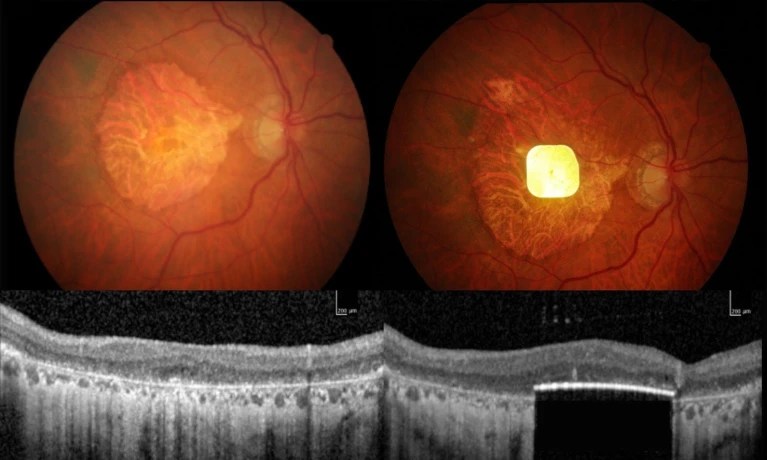
People who were once blind are now reading again. That sentence alone feels almost magical. Scientists have created a tiny electronic implant that can restore vision to people with advanced macular degeneration, a condition that once meant permanent blindness.
This small device sits beneath the retina and works with smart glasses that send visual information as light signals. It does not yet bring back full color or clarity, but it gives back something even more precious, the ability to see letters, faces, and everyday shapes once lost to darkness.
It is hard not to be amazed by this. It feels similar to when cochlear implants first gave sound back to people who were deaf. Both show that our brains can learn to see and hear again if given the right signals.
What comes next could be even more extraordinary. Future versions of this implant may bring color, sharper detail, and faster reading. One day, blindness caused by retinal diseases might no longer mean a life without vision.
Science is once again turning what seemed impossible into something beautifully human, the gift of sight.
https://www.nature.com/articles/d41586-025-02042-7
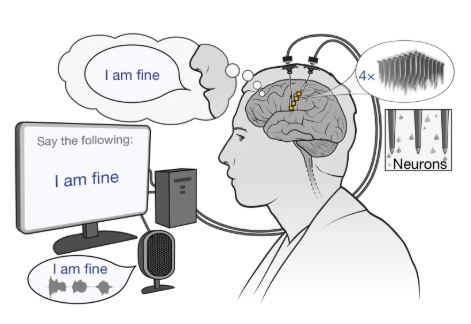
Brain implant decodes neural activity to produce expressive speech. Read more from Nature.

https://www.bbc.com/news/articles/ckgn49r069wo
Neuroprosthetics have a huge amount of potential to help patients. The BBC has just published an article showing the benefits of deep brain stimulation on Parkinson’s disease.

James has been awarded the Research Fund Junior Researchers allowing him to work on Neuroprosthetics for the coming year.

In February, I will be attending the Braincoder conference in Gardanne France. Why not join me there?
https://braincoder.sciencesconf.org/

An interesting overview of neurotechnologies from PLOS Biology.
 Neuroprosthetics lab